
Aging infrastructure & rising demand puts pressure on resources
Inefficient legacy systems
Many councils and utility providers rely on outdated meter management strategies that are highly reactive and not proactive.
Apparent and actual water loss
Non-Revenue Water can come in many forms, but one way to identify the issues is to split Apparent Water Loss (inaccurate meter data) and Actual Water Loss (drips, leaks and bursts). This all results in lost water, lost revenue and exhausted resources.
Budget and resource constraints
Limited budgets can often make it difficult to modernize systems without a clear Return on Investment strategy.
SOLUTIONS
Enable smarter water management
Modern water metering for smarter communities
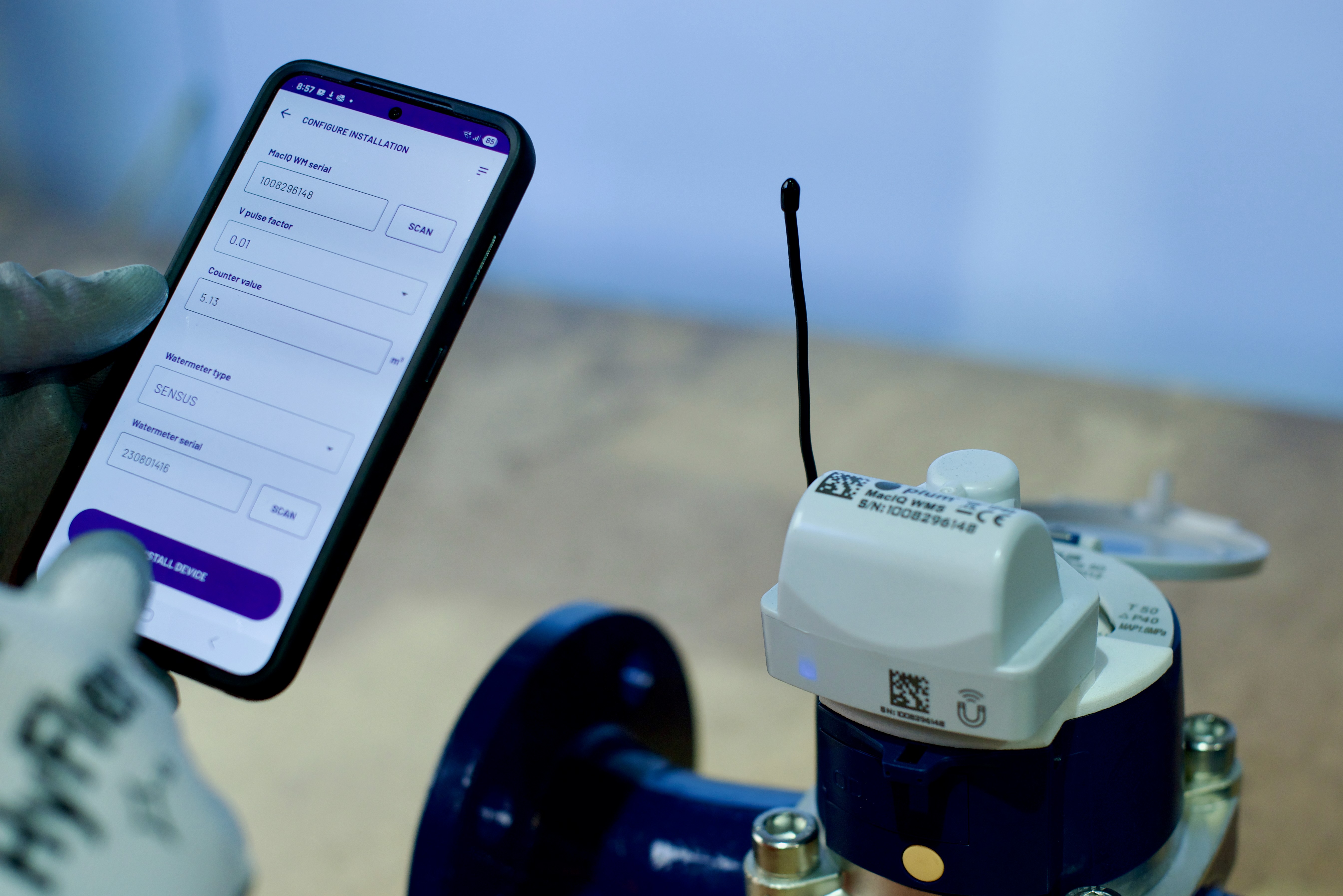
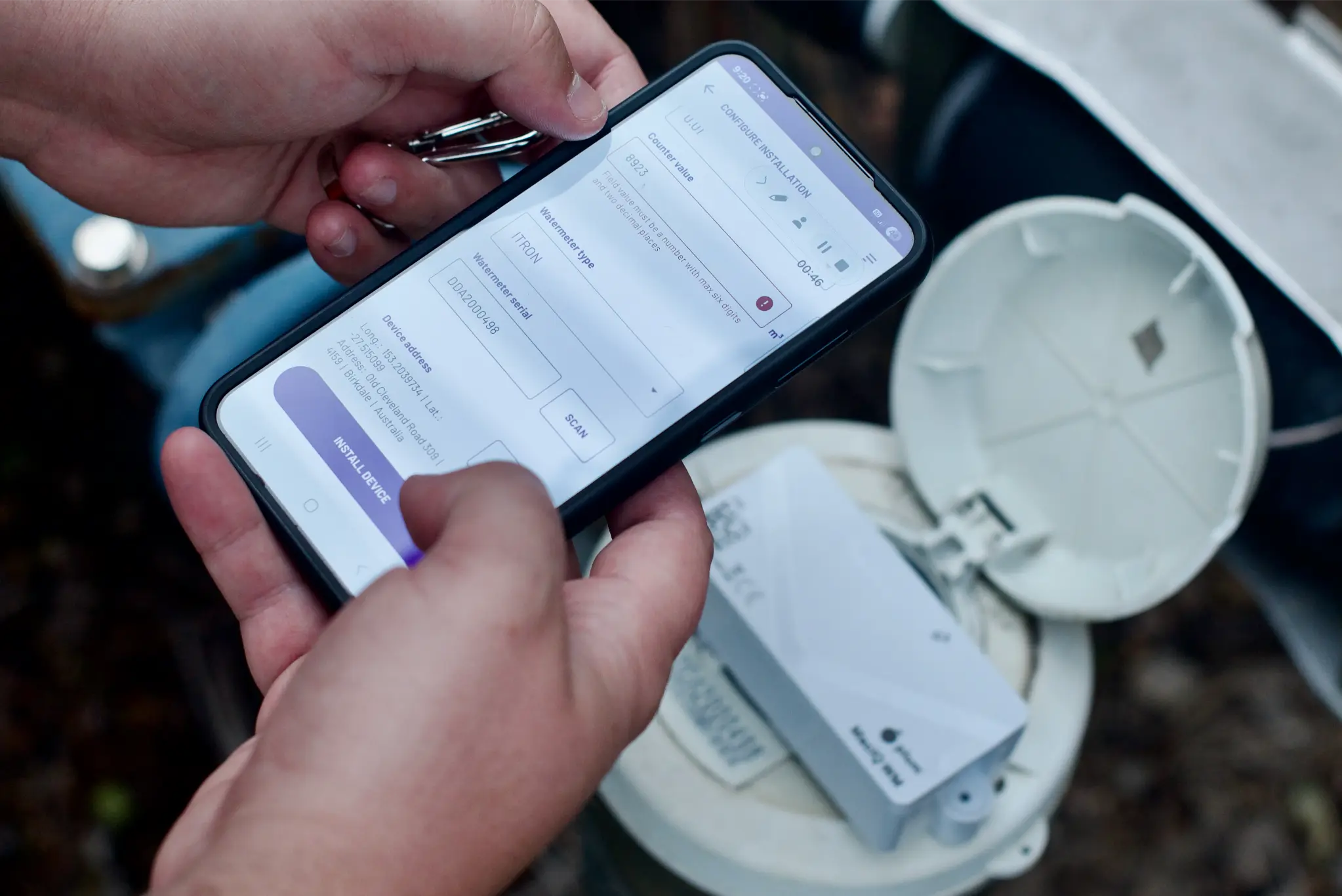
Modernising metering can start and any stage and progress at a pace that suits the client and the available budget. Gain clearer visibility into water usage, detect issues faster, and optimise system performance with diverse data collection capabilities.
Enhance accuracy and minimise water waste
Address apparent water loss with meters and devices proven to perform. Increase the performance of the meters and data collection methods in the network.
Scalable, cost-effective implementation
Flexible solutions designed to work within council budgets while ensuring compliance with evolving water regulations.

CUSTOMER STORY

FAQ
Frequently asked questions
Questions councils and water authorities ask before a digital metering programme.
How do councils use digital metering to reduce non-revenue water?
Interval reads show where water is lost between the network and the customer meter: leaks that run continuously, meters that under-read at low flow, and properties with no reads at all. Councils can then prioritise repairs and meter replacements by measured loss rather than by meter age.
Do we have to roll out AMI across the whole network at once?
No. Data Drop’s approach is staged: keep mechanical meters, add walk-by or drive-by reading, then move zones to a fixed network as budgets allow, with every read landing in the same platform.
Can residents see their water use?
Yes. A customer-facing portal shows consumption data and alerts, which helps residents find leaks early and reduces bill disputes.
How does digital metering fit a smart city programme?
Meter data becomes another live layer alongside pressure, asset and environmental data. Because Data Drop is technology-agnostic, its devices can use existing mobile networks and feed head-end platforms the council already runs.
Where does Data Drop operate?
Data Drop works with councils and water utilities across Australia and New Zealand from its base in Chandler, Queensland.